


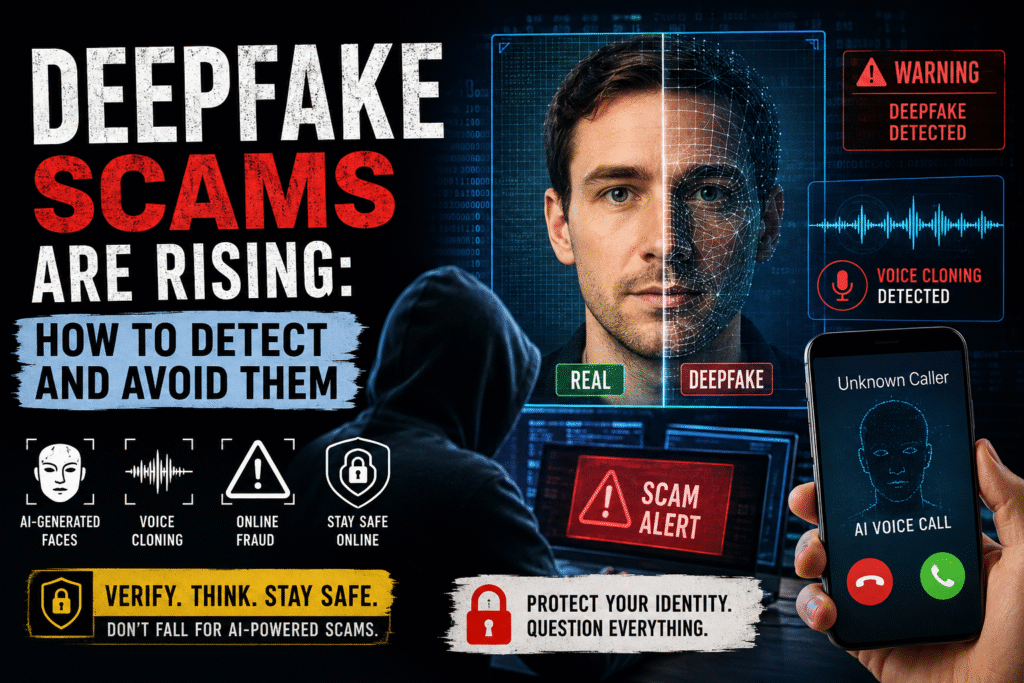
Artificial intelligence is transforming the digital world at an incredible pace. AI is helping businesses improve productivity, automate tasks, and deliver better customer experiences. However, like many powerful technologies, AI can also be misused. One of the most concerning developments in recent years is the rise of deepfake scams.
Deepfake technology has advanced significantly, making it possible to create highly realistic videos, images, and voice recordings. These fake digital creations can be so convincing that many people struggle to distinguish them from genuine content. As a result, cybercriminals are increasingly using deepfakes to commit fraud, steal identities, spread misinformation, and manipulate victims.
At TechWindow, we closely monitor emerging cyber security threats, and deepfake scams have become one of the fastest-growing risks in the digital landscape. Understanding how these scams work is essential for protecting yourself, your family, and your business.
What Is a Deepfake?
A deepfake is a piece of digital content created using artificial intelligence and machine learning technologies. The term combines the words “deep learning” and “fake.”
Deepfake software can analyze large amounts of photos, videos, and voice recordings to create realistic content that imitates a real person. This technology can make someone appear to say things they never said or perform actions they never performed.
While deepfake technology has legitimate applications in entertainment, education, and content creation, cybercriminals are increasingly exploiting it for malicious purposes.
Why Deepfake Scams Are Growing in 2026
Several factors are contributing to the rapid growth of deepfake scams.
Easy Access to AI Tools
Years ago, creating realistic fake videos required specialized knowledge and expensive software. Today, AI-powered tools have become more accessible, allowing almost anyone to generate convincing content with minimal technical expertise.
Massive Amounts of Public Data
People regularly share photos, videos, and voice recordings on social media platforms. This content provides cybercriminals with the material they need to train AI systems and create convincing deepfakes.
Improved AI Capabilities
Artificial intelligence continues to improve. Modern AI systems can generate realistic facial expressions, natural speech patterns, and lifelike movements that are difficult to identify as fake.
Increased Digital Communication
As more people work remotely and communicate online, scammers have more opportunities to exploit digital interactions using deepfake technology.
Because of these factors, security experts expect deepfake fraud to continue growing throughout 2026 and beyond.
How Deepfake Scams Work
Deepfake scams usually follow a similar pattern.
First, cybercriminals collect publicly available information about a target. This may include social media photos, videos, interviews, or voice recordings.
Next, they use AI software to create fake content that closely resembles the target. The fake content is then used to manipulate victims into taking actions such as:
- Sending money
- Sharing passwords
- Revealing sensitive information
- Approving fraudulent transactions
- Downloading malicious software
The success of these scams depends on creating trust and convincing victims that the content is authentic.
Common Types of Deepfake Scams
Voice Cloning Scams
Voice cloning has become one of the most dangerous forms of deepfake fraud.
Using only a short audio sample, AI can generate a realistic copy of a person’s voice. Criminals use these cloned voices to impersonate family members, friends, managers, or business executives.
A victim may receive a phone call from someone who sounds exactly like a loved one requesting urgent financial assistance. Because the voice sounds familiar, many people respond without verifying the request.
Business Executive Fraud
Businesses are increasingly becoming targets of deepfake scams.
Cybercriminals use AI-generated audio or video to impersonate executives and company leaders. Employees may receive instructions that appear to come directly from senior management.
These fake communications often request confidential information or urgent financial transfers.
Many organizations have already experienced significant losses due to executive impersonation scams.
Fake Investment Opportunities
Deepfake videos are often used to promote fraudulent investments.
Scammers create videos featuring celebrities, business leaders, or financial experts who appear to endorse investment platforms, cryptocurrency projects, or trading schemes.
Victims trust these endorsements because the videos seem authentic. Unfortunately, many lose money after investing in fraudulent projects.
At TechWindow, we recommend verifying all investment opportunities through official sources before making any financial decisions.
Romance and Relationship Scams
Online dating scams have become more sophisticated through the use of deepfake technology.
Criminals create fake identities using AI-generated photos and videos. These individuals build emotional relationships with victims before requesting money or personal information.
The realistic appearance of deepfake content makes these scams especially convincing.
Fake Customer Support Scams
Scammers may use deepfake technology to impersonate customer support representatives from banks, technology companies, or government agencies.
Victims may receive video calls or voice messages that appear genuine. During the interaction, the scammer attempts to obtain passwords, account details, or payment information.
Warning Signs of Deepfake Content
Although deepfakes are becoming more realistic, there are still warning signs that can help identify suspicious content.
Unnatural Facial Expressions
Some deepfake videos contain subtle visual errors. Facial expressions may appear unnatural or inconsistent with normal human behavior.
Lip Synchronization Issues
The movement of lips may not perfectly match spoken words, especially in lower-quality deepfake videos.
Unusual Eye Movements
Deepfake content sometimes struggles to reproduce natural blinking patterns and eye movements.
Strange Voice Characteristics
AI-generated voices may sound slightly robotic or contain unusual pauses and speech rhythms.
Low-Quality Visual Details
Pay attention to shadows, lighting, reflections, and background details. Deepfake content sometimes contains visual inconsistencies.
Urgent Requests
Scammers often create a sense of urgency to prevent victims from thinking critically.
If someone asks for immediate action, money transfers, or confidential information, take time to verify the request.
The Impact of Deepfake Scams
Deepfake scams affect individuals, businesses, and society as a whole.
Financial Losses
Victims can lose significant amounts of money through fraudulent transactions and investment scams.
Identity Theft
Deepfake technology can be used to impersonate individuals and steal personal information.
Reputational Damage
Fake videos can damage personal and professional reputations by spreading false information.
Loss of Trust
As deepfakes become more common, people may begin to distrust legitimate digital content.
This erosion of trust creates challenges for businesses, governments, and online communities.
How to Protect Yourself from Deepfake Scams
Verify Before Acting
Never make financial decisions based solely on a video, phone call, or message.
Verify requests through official communication channels before taking action.
Use Multiple Verification Methods
If someone requests money or sensitive information, contact them through another method to confirm their identity.
Limit Public Exposure
Be careful about sharing excessive personal information, photos, and videos online.
The less public content available, the harder it becomes for criminals to create convincing deepfakes.
Stay Educated
Awareness remains one of the strongest defenses against cybercrime.
At TechWindow, we regularly share information about cyber security threats, online scams, and emerging technologies to help users stay informed.
Enable Strong Security Controls
Use:
- Strong passwords
- Two-factor authentication
- Account activity monitoring
- Security alerts
These measures help reduce the risk of account compromise.
Train Employees
Organizations should educate employees about deepfake scams and social engineering tactics.
Regular cyber security awareness training can significantly reduce the likelihood of successful attacks.
How Businesses Can Defend Against Deepfake Attacks
Businesses face unique risks from deepfake fraud.
To strengthen protection, organizations should:
Implement Verification Policies
Require multiple approvals for large financial transactions and sensitive decisions.
Use AI Detection Tools
Advanced detection systems can help identify manipulated videos and audio recordings.
Develop Incident Response Plans
Organizations should establish procedures for responding to suspected deepfake attacks.
Monitor Digital Channels
Regular monitoring can help identify fake content that targets employees, customers, or executives.
Many cyber security experts believe businesses will increasingly invest in AI-powered detection systems to combat deepfake fraud.
The Future of Deepfake Technology
Deepfake technology will continue to evolve.
As AI systems become more sophisticated, deepfakes will become harder to detect. At the same time, researchers and cyber security companies are developing new tools designed to identify manipulated content.
Future solutions may include:
- AI-powered deepfake detection
- Digital authenticity verification
- Blockchain-based content validation
- Advanced identity verification systems
The ongoing battle between cybercriminals and security professionals will shape the future of digital trust.
At TechWindow, we believe that awareness, education, and strong cyber security practices will remain essential as deepfake technology continues to advance.
Conclusion
Deepfake scams are rapidly becoming one of the most serious cyber security threats of 2026. By combining artificial intelligence with social engineering techniques, cybercriminals can create convincing fake videos, images, and voice recordings that deceive individuals and organizations.
Understanding how deepfake scams work is the first step toward protection. Users should verify suspicious communications, avoid making rushed decisions, and stay informed about emerging cyber threats.
As artificial intelligence continues to transform the digital world, awareness and vigilance will be critical. By following best practices and staying updated through trusted sources like TechWindow, individuals and businesses can reduce their risk and navigate the online world more safely.


