Latest Data Breaches and Security Incidents: What Businesses Need to Know
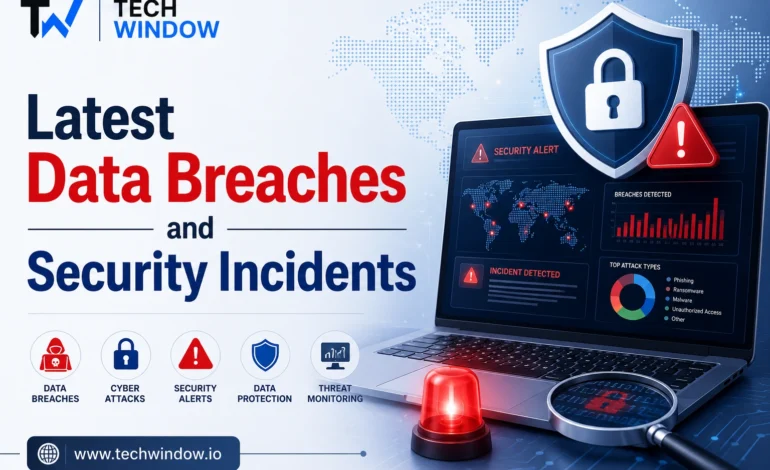

Understand recent data breaches and security incidents, and the implications they have for businesses.Learn about the latest data breaches and security incidents, and how they impact businesses.
In today’s digital landscape, cybersecurity has emerged as one of the most pressing issues for businesses. With the increasing dependence on cloud platforms, digital services, and interconnected systems, cybercriminals have been working on new, sophisticated ways to steal sensitive data and wreak havoc on operations.
Data breaches and security incidences are not uncommon occurrences. Organizations of all sizes are increasingly being targeted for cyberattacks, ranging from multinationals to small businesses. The impact of such incidents on the finances, reputation and legal liability of an organization can be terrible.
Tech Window‘s guide will look into the current data breach and security incursion trends, attack techniques, how these affect businesses, and how organizations can improve their cyber security landscape.
Understanding Data Breaches and Security Incidents
A data breach is when there is a leak of confidential, sensitive, or protected information by someone who is not authorized to have access to it.
A security incident is an event that raises security concerns and potentially endangers the confidentiality, integrity or availability of an organization’s digital assets.
Examples include:
- Unauthorized system access
- Malware infections
- Ransomware attacks
- Phishing campaigns
- Insider threats
- Data leaks
- Cloud security misconfigurations
Data breach may not always occur in a security incident and a security failure is the starting point of data breach.
Why Data Breaches Are Increasing
There are multiple reasons for the ever increasing cybersecurity incidents across the globe.
Expanding Attack Surface
Organizations are now based on:
- Cloud environments
- Remote work networks
- Mobile devices
- Third-party applications
- Internet of Things (IoT) devices
Each new connection creates potential entry points for attackers.
Sophisticated Cybercriminals
Attackers are increasingly using:
- Artificial Intelligence (AI)
- Automated attack tools
- Deepfake technology
- Advanced malware
These technologies make attacks more difficult to detect.
Human Error
Many breaches still occur due to:
- Weak passwords
- Phishing scams
- Misconfigured systems
- Accidental data exposure
Human mistakes remain one of the leading causes of security incidents.
Common Types of Security Incidents
Phishing Attacks
Phishing remains one of the most successful cyberattack methods.
Attackers send fraudulent emails or messages designed to trick employees into revealing:
- Login credentials
- Financial information
- Sensitive company data
Modern phishing attacks often use AI-generated content that appears highly convincing.
Ransomware Attacks
Ransomware encrypts organizational data and demands payment for its release.
These attacks can:
- Disrupt operations
- Cause financial losses
- Damage customer trust
Ransomware remains one of the most costly cybersecurity threats.
Credential Theft
Cybercriminals frequently target user credentials.
Common techniques include:
- Password spraying
- Credential stuffing
- Social engineering
- Keylogging malware
Once credentials are stolen, attackers can gain access to critical systems.
Insider Threats
Not all threats originate from external attackers.
Employees, contractors, or business partners may intentionally or unintentionally expose sensitive data.
Cloud Security Incidents
As cloud adoption grows, cloud-related breaches have become more common.
Misconfigured cloud storage and weak access controls can expose large volumes of sensitive information.
Recent Trends in Data Breaches
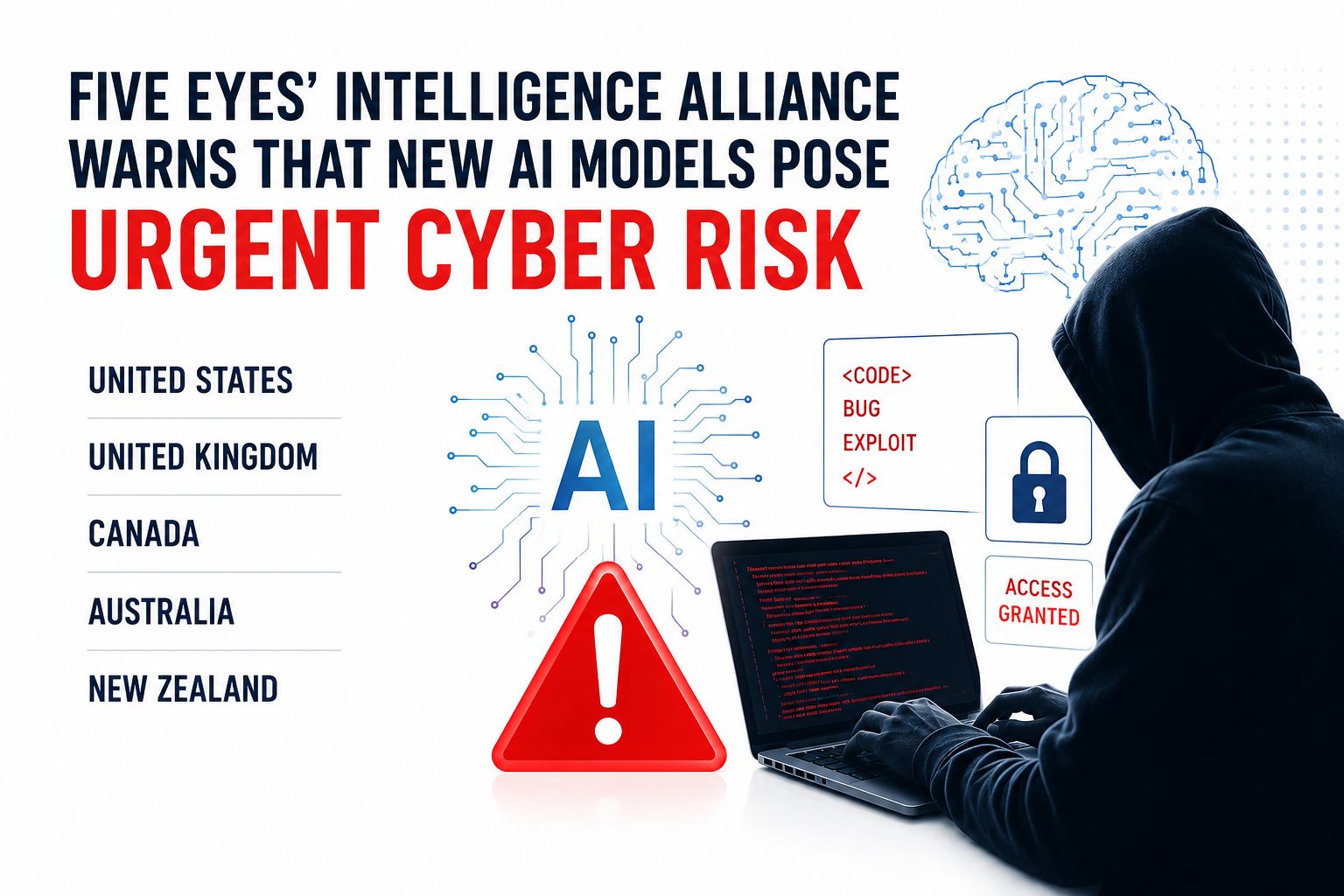
AI-Powered Cyberattacks
The attackers are using AI to make phishing attacks more automated, easier to spot vulnerabilities, and to create malicious content.The attackers are using AI to make phishing attacks more automated, easier to spot vulnerabilities, and to create malicious content.
Supply Chain Attacks
The attackers are targeting vendors and third-party service providers to access larger companies more and more.
Deepfake Fraud
Deepfakes are being deployed in an attack on executives and tricking employees into approving fraudulent transactions.
Targeting Remote Workers
The remote and hybrid work model is continuing to pose new cyber security threats.
Out of the office workers are a common source of attack.
Increased Ransomware Activity
Ransomware attacks are still a threat to organizations in the healthcare, finance, government, and education sectors.
Industries Most Frequently Targeted
Healthcare
Healthcare organizations hold important and sensitive patient data, and frequently have critical systems that are not tolerant to downtime.
Financial Services
Banks and financial institutions are still a favored target as there’s still direct monetary benefits.
Government Agencies
Government systems often contain sensitive citizen and national security information.
Retail and E-Commerce
Retailers process large volumes of payment and customer data.
Technology Companies
Technology organizations often possess valuable intellectual property and customer information.
The Business Impact of Data Breaches
Financial Losses
Breaches can result in:
- Incident response costs
- Regulatory fines
- Legal expenses
- Recovery efforts
Reputational Damage
Customer trust can be difficult to rebuild after a significant security incident.
Operational Disruption
Cyberattacks often interrupt business operations and reduce productivity.
Regulatory Consequences
Organizations may face compliance violations under regulations such as:
- GDPR
- HIPAA
- PCI DSS
- ISO 27001
Warning Signs of a Security Incident
Businesses should watch for:
- Unusual login activity
- Unexpected system slowdowns
- Suspicious network traffic
- Unauthorized account changes
- Unrecognized software installations
- Increased phishing attempts
Early detection can significantly reduce the impact of a breach.
How Businesses Can Protect Themselves
Implement Multi-Factor Authentication (MFA)
MFA offers a second line of defence to passwords.
Adopt Zero Trust Security
In Zero Trust, users and devices must be continually verified to be granted access.
Conduct Security Awareness Training
Staff should be aware of how to identify:
- Phishing emails
- Social engineering attacks
- Suspicious links
If a breach is detected early, it can have a minimal impact.
Regularly Update Software
Security patches ensure that vulnerabilities that might be exploited by an attacker are closed.
Monitor Network Activity
Continuous monitoring allows for quicker detection and response to threats.
Back Up Critical Data
Having reliable backups will help organizations recover from ransomware attacks.
Secure Cloud Environments
Regularly assess cloud configurations and access permissions.
Incident Response Best Practices
In the event of a security incident, an organization should:
Identify the Threat
Determine what happened and which systems were affected.
Contain the Incident
Stop the attack from getting any more extensive.
Investigate the Cause
Know the cause of the incident.
Notify Stakeholders
Notify customers, employees and regulatory agencies as necessary.
Recover Systems
Restore operations using clean backups and secure configurations.
Review and Improve
Integrate the lessons into a further increase of defense.
The Future of Data Breaches and Cybersecurity
Cyber attack methods will grow more and more sophisticated.
Key trends include:
AI-Driven Attacks
Cybercrime will remain a favorite of attackers for AI automation.
More Advanced Deepfakes
Deep fake technology will be more realistic and difficult to tell from forgery.
Increased Supply Chain Risks
Third-party security will become even more important.
Greater Regulatory Oversight
Countries around the globe are tightening up their cybersecurity and privacy laws.
Expansion of Zero Trust Security
Zero Trust will gain traction among more organisations as a way to mitigate breach risks.
Conclusion
Information security breaches and incidents continue to be one of the biggest threats to organizations in today’s world. Businesses need to get better at protecting themselves and stay vigilant as cyber criminals leverage new technologies and methods in their attacks.
Organizations can minimize the risk and severity of cyberattacks through proper cybersecurity protocols, employee training, Zero Trust Security, and having a good incident response plan.
In the era of digital connectivity, it is crucial for businesses to be aware of the latest data breaches and security incidents to safeguard their digital assets and build trust with their customers.In today’s digital world, it is essential for businesses to be aware of the latest data breaches and security incidents so that they can protect their digital assets and ensure their customers trust them.